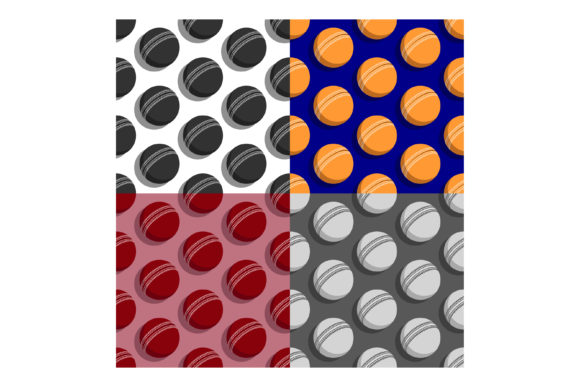
Patterns with Cricket Balls. Team Sports
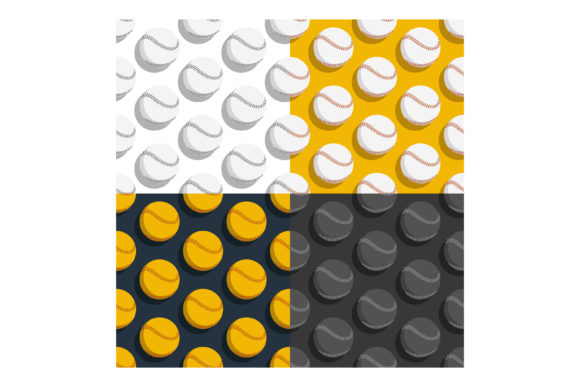
Patterns with cricket balls have become a significant design element in the world of team sports, offering a unique blend of visual appeal and cultural significance. These patterns often incorporate imagery of cricket balls, which are central to the game of cricket, a sport that has deep roots in many countries around the globe. From the iconic red leather ball used in Test matches to the white ball in limited-overs formats, the cricket ball is more than just a piece of equipment—it's a symbol of competition, strategy, and tradition.
The use of cricket ball patterns extends beyond the playing field. In the realm of fashion and textile design, these motifs are frequently employed to create eye-catching fabrics and garments. Designers often draw inspiration from the sport's aesthetics, incorporating elements such as the ball's stitching, color schemes, and overall shape into their work. This not only appeals to sports enthusiasts but also resonates with a broader audience looking for distinctive and meaningful designs.
In the context of team sports, patterns with cricket balls can serve multiple purposes. They can be used to create uniforms that reflect a team's identity, with each pattern telling a story about the team's history, values, or achievements. Additionally, these patterns can be integrated into promotional materials, such as banners, posters, and merchandise, helping to build brand recognition and fan engagement.
For those interested in creating seamless patterns with cricket balls, there are numerous resources available. Graphic design software like Adobe Illustrator and CorelDRAW offer tools for designing intricate patterns that can be applied to various surfaces. These tools allow for precise control over elements such as spacing, alignment, and repetition, ensuring that the final design is both visually appealing and functionally effective.
One of the key advantages of using patterns with cricket balls is their versatility. Whether it's for a sports team's logo, a fabric print, or an ornament for decoration, these patterns can be adapted to suit a wide range of applications. For example, a cricket ball pattern might be used on a team's jersey to highlight their connection to the sport, or it could be incorporated into a home decor item to add a touch of athleticism and energy to a space.
When considering the use of patterns with cricket balls, it's important to take into account the target audience and the intended purpose of the design. A pattern that works well for a professional sports team may not be suitable for a casual consumer product. Understanding the nuances of the design and how it will be perceived by different groups can help ensure that the final result is both effective and engaging.
Another consideration is the cultural significance of cricket and its associated imagery. In countries where cricket is a major sport, such as India, Pakistan, and the United Kingdom, the use of cricket ball patterns can evoke strong emotional responses and a sense of pride. Designers should be mindful of these cultural contexts to avoid misinterpretation or unintended offense.
Patterns with cricket balls can also be used in educational settings to teach students about the sport, its history, and its impact on society. For instance, a teacher might use a pattern featuring cricket balls to illustrate the evolution of the game or to discuss the role of design in sports branding. This approach not only makes learning more interactive but also helps students appreciate the intersection of art and sports.
In the realm of printing on fabric, patterns with cricket balls can add a unique and dynamic element to clothing and accessories. Whether it's a t-shirt, a hoodie, or a scarf, these designs can make a statement while remaining functional and comfortable. The choice of fabric and printing technique can further enhance the appearance and durability of the final product, making it a valuable addition to any wardrobe.
For those looking to create their own patterns with cricket balls, experimentation is key. Trying different color combinations, layouts, and textures can lead to unexpected and innovative results. It's also beneficial to study existing examples of successful designs to gain insight into what works and what doesn't. By combining creativity with technical skill, designers can produce patterns that are both aesthetically pleasing and commercially viable.
As the popularity of team sports continues to grow, so too does the demand for creative and meaningful design elements. Patterns with cricket balls offer a unique opportunity to celebrate the spirit of the game while also appealing to a wide range of audiences. Whether used in fashion, education, or home decor, these patterns have the potential to inspire, engage, and connect people through the shared love of sports.
The integration of cricket ball patterns into various industries highlights the enduring influence of the sport. From the design of athletic wear to the creation of decorative items, the imagery of the cricket ball remains a powerful and recognizable symbol. As designers continue to explore new ways to incorporate this motif, the possibilities for innovation and expression are endless.
Ultimately, patterns with cricket balls represent more than just a visual aesthetic—they are a reflection of the values, traditions, and passions that define the world of team sports. By understanding and embracing these elements, designers can create work that resonates with audiences and contributes to the rich tapestry of sports culture.