Patterns with Hearts: Love, Mutual and the Art of Seamless Design
Patterns with hearts have long been a symbol of affection, connection, and emotional resonance. When combined with the concept of mutual love, these designs take on a deeper meaning, representing not just individual sentiment but shared emotions and reciprocal feelings. In the world of design, patterns with hearts serve as more than just decorative elements; they are powerful tools for communication, expression, and artistic interpretation.
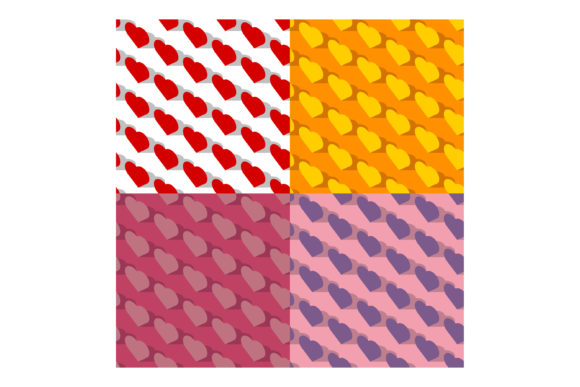
Seamless patterns featuring hearts are particularly popular in various creative fields, from fashion to home decor. Their ability to repeat without visible seams makes them ideal for fabric printing, wall coverings, and digital backgrounds. Whether used in a subtle or bold manner, these designs can evoke warmth, nostalgia, and a sense of unity.
The Significance of Heart Patterns in Design
Heart shapes have been used in art and design for centuries, often symbolizing love, compassion, and emotional bonds. When incorporated into patterns, they can create a visual rhythm that is both pleasing and meaningful. The repetition of heart motifs allows for a cohesive aesthetic that can be adapted to different scales and contexts.
In many cultures, hearts represent the core of human emotion. This universal symbolism makes heart patterns highly versatile. They can be used in romantic settings, such as wedding invitations or anniversary cards, or in more general applications like children's clothing, greeting cards, and even corporate branding. The adaptability of heart patterns ensures their relevance across diverse industries and audiences.
When designing with hearts, the choice of color, size, and arrangement plays a crucial role in conveying the intended message. A soft pastel palette might suggest gentle affection, while vibrant reds and pinks could express passion and intensity. The placement of hearts within a pattern also affects its overall impact, whether it's a delicate border, a central motif, or a background texture.
Applications of Heart Patterns in Everyday Life
One of the most common uses of heart patterns is in fabric design. From t-shirts and scarves to bedding and curtains, heart motifs add a touch of personality and style. The seamless nature of these patterns ensures that the design flows smoothly across the material, creating a visually appealing result.
Heart patterns are also widely used in graphic design and digital media. Web designers often incorporate them into backgrounds, buttons, and icons to add a sense of warmth and approachability. In print media, they can be found in magazines, advertisements, and packaging, where they help to convey a message of care and connection.
For educators and creators, heart patterns offer an engaging way to teach and inspire. In art classes, students can explore the use of repetition, symmetry, and balance through heart-based designs. For hobbyists, creating custom heart patterns can be a fun and rewarding project, allowing for personal expression and creativity.
Benefits of Using Heart Patterns in Design
One of the key advantages of heart patterns is their ability to communicate emotion effectively. Unlike abstract shapes or geometric designs, heart motifs are instantly recognizable and carry a strong emotional connotation. This makes them ideal for projects that aim to evoke specific feelings or messages.
Another benefit is their versatility. Heart patterns can be adapted to suit different styles, from minimalist and modern to vintage and ornate. This flexibility allows designers to experiment with various aesthetics while maintaining a consistent theme. Whether used in a subtle or bold manner, heart patterns can enhance the visual appeal of any design.
From a practical standpoint, seamless heart patterns are easy to work with. They can be scaled up or down without losing quality, making them suitable for a wide range of applications. This adaptability is especially valuable in industries where consistency and precision are essential, such as textile manufacturing and digital publishing.
Considerations for Effective Heart Pattern Design
When creating or selecting heart patterns, it's important to consider the context in which they will be used. A pattern that works well for a children's book may not be appropriate for a professional setting. Understanding the target audience and the intended purpose of the design helps ensure that the heart pattern is both relevant and effective.
Color choice is another critical factor. While red is the traditional color associated with hearts, other hues can be used to convey different moods and messages. For example, blue hearts might suggest trust and loyalty, while green hearts could represent growth and renewal. Experimenting with color combinations can lead to unique and meaningful designs.
Finally, the level of detail in a heart pattern should match the overall design concept. A highly intricate pattern may be too busy for certain applications, while a simple design might lack visual interest. Striking the right balance between complexity and clarity ensures that the heart pattern enhances rather than overwhelms the final product.
Heart Patterns in the Digital Age
In today's digital landscape, heart patterns continue to play a significant role in online design. Social media platforms, mobile apps, and web interfaces often feature heart motifs to engage users and create a sense of connection. These digital applications demonstrate the enduring appeal of heart patterns and their ability to evolve with new technologies.
Vector-based heart patterns are particularly useful in digital design because they maintain sharpness and clarity at any size. This makes them ideal for logos, icons, and other graphical elements that need to be scalable and adaptable. Designers can easily modify vector heart patterns to fit different formats and resolutions, ensuring a high-quality result across all platforms.
As more people turn to digital tools for creative expression, the demand for customizable heart patterns continues to grow. Online marketplaces and design platforms now offer a wide variety of heart-based templates, allowing users to download, edit, and apply these designs to their own projects. This accessibility has made heart patterns more available than ever before, enabling a broader range of individuals to incorporate them into their work.
Exploring the Future of Heart Pattern Design
Looking ahead, the future of heart pattern design is likely to be shaped by emerging trends and technological advancements. As design software becomes more sophisticated, the possibilities for creating complex and dynamic heart patterns will expand. Innovations in 3D printing and augmented reality may also open new avenues for using heart motifs in interactive and immersive experiences.
At the same time, there is a growing emphasis on sustainability and ethical design practices. This shift may influence how heart patterns are created and used, encouraging designers to prioritize eco-friendly materials and responsible production methods. As the design industry evolves, heart patterns will continue to reflect the values and priorities of the times.
Ultimately, patterns with hearts—especially those that emphasize love and mutual connection—remain a powerful and timeless form of expression. Whether used in traditional crafts, digital media, or modern design, these patterns offer a way to celebrate emotions, foster connections, and bring beauty to everyday life. Through thoughtful application and creative experimentation, heart patterns can continue to inspire and resonate with people around the world.