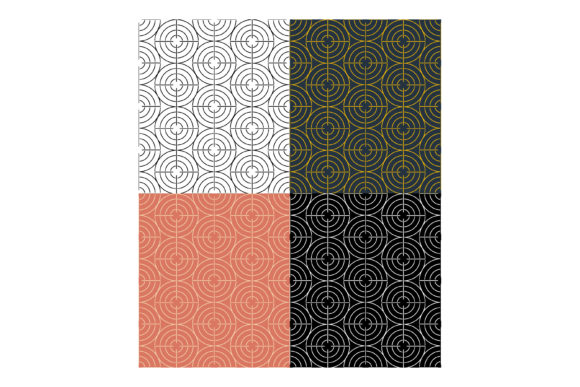
Patterns with Optical Sights, Target and Seamless Design Elements
Patterns with optical sights, target, and aim in crosshair have become a compelling design element in various creative and functional contexts. These visual motifs combine precision, symbolism, and aesthetic appeal, making them valuable for both decorative and practical applications. From fabric printing to digital art, the integration of such patterns offers unique opportunities for designers, manufacturers, and consumers alike.
Understanding the Core Elements
The concept of optical sights and targets is rooted in the idea of focus and direction. In design, these elements often represent accuracy, strategy, and intentionality. When incorporated into patterns, they can serve as a focal point or a subtle background detail that enhances visual storytelling. The crosshair, for instance, is a universal symbol of aiming and targeting, which makes it an effective tool in graphic design and textile creation.
Seamless patterns that include these elements are particularly useful in creating continuous, repeating designs without visible seams. This technique allows for the creation of intricate visuals that maintain consistency across large surfaces, such as fabrics, wallpapers, or digital interfaces. The use of optical sights within these patterns can add depth and complexity, transforming simple designs into visually engaging compositions.
Applications in Fabric and Textile Design
Fabric printing has long benefited from the use of geometric and symbolic patterns, and the inclusion of optical sights and targets expands the possibilities for creative expression. These designs can be used in clothing, home décor, and accessories, offering a modern and dynamic look. For example, a seamless pattern featuring a series of crosshairs could be used on a jacket or a throw pillow, adding a touch of sophistication and visual interest.
Designers often experiment with different color palettes and scales to adapt these patterns for various uses. A minimalist approach might feature a single crosshair in a neutral tone, while a more elaborate design could incorporate multiple targets layered together. The versatility of these patterns allows them to fit into a wide range of styles, from industrial and military aesthetics to contemporary and avant-garde fashion.
Use Cases in Digital and Print Media
Beyond textiles, patterns with optical sights and targets find application in digital media, such as website backgrounds, app interfaces, and branding materials. In this context, they can convey a sense of precision and control, which is especially relevant for tech-related industries or sports-themed content. For instance, a gaming platform might use a pattern with crosshairs as a background to reinforce the theme of competition and focus.
In print media, these patterns can enhance the visual appeal of magazines, books, and promotional materials. A magazine cover featuring a bold target design could attract attention and signal a focus on strategy or analysis. Similarly, a brochure for a firearms company might incorporate a seamless pattern of crosshairs to emphasize accuracy and reliability.
Design Considerations and Challenges
Creating effective patterns with optical sights and targets requires careful consideration of scale, placement, and repetition. If not executed properly, the design may appear cluttered or lose its intended impact. Designers must balance the visibility of the elements with the overall aesthetic of the pattern to ensure it remains appealing and functional.
Another challenge is maintaining the integrity of the design when it is repeated. Seamless patterns need to be carefully constructed so that the transition between repeats is smooth and unnoticeable. This often involves adjusting the spacing, angles, and alignment of the optical elements to create a cohesive visual effect.
Symbolism and Cultural Significance
The symbolism behind optical sights and targets extends beyond their visual appeal. In many cultures, the crosshair represents precision, focus, and determination. This makes it a powerful design element in contexts where these values are emphasized, such as in military, sports, or educational settings.
Additionally, the target motif can signify achievement, goals, and progress. When integrated into a pattern, it can evoke a sense of movement or direction, making it a suitable choice for projects that aim to communicate ambition or purpose. Understanding the cultural and symbolic meanings of these elements can help designers make more informed choices about their use in different contexts.
Integration with Modern Trends
As design trends evolve, the use of optical sights and targets continues to gain relevance. Minimalist and geometric styles have seen a resurgence, and these patterns align well with that aesthetic. Their clean lines and structured forms make them ideal for modern interiors, digital interfaces, and fashion collections that prioritize simplicity and clarity.
Moreover, the rise of vector-based design tools has made it easier to create and manipulate these patterns. Vector graphics allow for precise control over each element, ensuring that the design remains sharp and scalable regardless of the size or medium. This flexibility opens up new possibilities for designers to experiment with different variations and applications of these patterns.
Practical Tips for Using These Patterns
For those looking to incorporate patterns with optical sights and targets into their work, there are several practical tips to keep in mind. First, consider the purpose of the design and how the elements will contribute to the overall message. A target pattern may be more appropriate for a project focused on goals and achievements, while a crosshair design could work well for themes related to focus and precision.
Second, experiment with different color schemes and textures to find the right balance between visual interest and readability. Bold colors may work well for high-impact designs, while muted tones can create a more subtle and sophisticated look. Testing the pattern in different formats—such as print, digital, or 3D—can also help identify potential issues and refine the final result.
Finally, always ensure that the pattern is scalable and adaptable. Whether it’s used on a small piece of fabric or a large banner, the design should maintain its clarity and effectiveness at any size. This requires careful planning and attention to detail during the design process.