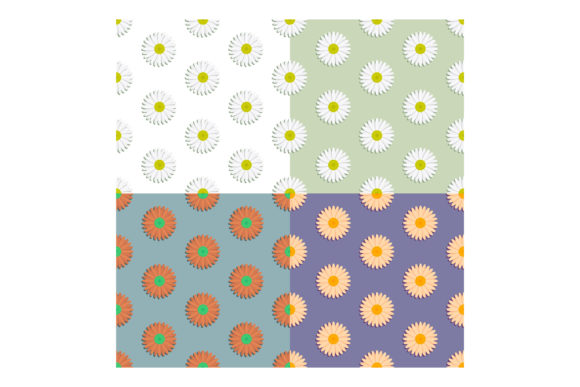
Seamless Patterns with Chamomile: A Versatile Design Element
Seamless patterns with chamomile are a popular choice for designers, artists, and fabric creators looking for elegant, nature-inspired motifs. These patterns feature the delicate, daisy-like flowers of the chamomile plant, often arranged in repeating, continuous designs that can be used across various applications. As a summer flower, chamomile brings a sense of calm and natural beauty, making it ideal for decorative and functional purposes.
The chamomile flower is known for its soothing properties, both in herbal teas and in design. When incorporated into seamless patterns, it adds a soft, organic feel that can complement a wide range of styles, from rustic to modern. These patterns are commonly used in textile design, home decor, and graphic arts, offering a timeless appeal that resonates with many audiences.
Why Choose Seamless Patterns with Chamomile?
There are several reasons someone might be drawn to seamless patterns with chamomile. One of the primary benefits is their aesthetic versatility. The gentle curves and symmetrical shapes of chamomile flowers make them suitable for both intricate and minimalist designs. This adaptability allows them to fit into different creative contexts without appearing out of place.
Another advantage is the ease of use. Seamless patterns are designed to repeat seamlessly, meaning they can be applied to large surfaces without visible seams or gaps. This makes them particularly useful for fabric printing, wallpaper, and other materials that require continuous coverage. For designers, this means less time spent adjusting patterns and more time focused on the overall design concept.
Additionally, chamomile is associated with relaxation and tranquility, which can make these patterns a good fit for projects aimed at creating a calming atmosphere. Whether used in home decor, fashion, or branding, the presence of chamomile can evoke a sense of peace and natural beauty.
Considerations and Tradeoffs
While seamless patterns with chamomile offer many benefits, there are also factors to consider before incorporating them into a project. One potential tradeoff is the level of detail required. Depending on the design, chamomile patterns may need to be highly detailed to maintain visual interest, which could affect scalability and print quality. In some cases, overly complex patterns may not translate well to certain materials or printing methods.
Another consideration is the target audience. While chamomile is generally seen as a pleasant and calming element, it may not be the best choice for all design themes. For example, a high-energy or futuristic brand might find chamomile patterns too subdued or traditional. It's important to align the pattern’s character with the intended message and audience.
Furthermore, the availability of high-quality vector versions of these patterns can impact their usability. Vector files allow for scalable, clean designs that maintain clarity at any size. If a pattern is not available in vector format, it may be more difficult to adjust or resize without losing quality, especially for professional use.
Situations Where It’s a Strong Fit
Seamless patterns with chamomile are particularly effective in projects that emphasize natural elements, relaxation, or seasonal themes. For instance, they are well-suited for summer-themed fabrics, home décor items like cushions or curtains, and eco-friendly product packaging. Their soft appearance can enhance the visual appeal of products that aim to convey a connection to nature or wellness.
In the fashion industry, chamomile patterns can be used in lightweight summer garments, such as dresses or scarves, where a subtle floral motif adds elegance without overwhelming the design. They are also a good choice for stationery, such as notebooks or greeting cards, where a touch of botanical charm can elevate the overall look.
For interior designers, these patterns can be used in wall art, rugs, or upholstery to bring a fresh, natural feel to a space. Their ability to blend with other elements makes them a flexible option for both contemporary and traditional interiors.
When Alternatives May Be Better
There are situations where alternatives to chamomile patterns might be more appropriate. For example, if a project requires a bold or abstract design, a more geometric or stylized pattern could be a better fit. Similarly, if the goal is to create a vibrant or dynamic visual identity, other floral motifs or non-organic patterns may be more effective.
Additionally, for commercial applications where simplicity and clarity are key, a more minimalistic design might be preferable. In such cases, the intricate details of chamomile patterns could be distracting rather than beneficial. It’s important to evaluate the specific needs of the project before choosing a pattern style.
Designers should also consider the cultural or symbolic meanings of chamomile. While it is widely associated with calm and healing, it may not carry the same significance in all regions or contexts. Understanding the broader implications of a design element can help ensure it resonates with the intended audience.
Decision-Making Insights
When deciding whether to use seamless patterns with chamomile, it’s helpful to ask a few key questions. What is the primary purpose of the design? Does the chamomile motif align with the desired tone and message? Are there any technical constraints, such as file format or print requirements?
It’s also valuable to explore different variations of chamomile patterns. Some may have a more realistic look, while others are stylized or abstract. Testing different options can help identify the best fit for a particular project.
Finally, considering the long-term viability of the design is important. Will the pattern remain relevant over time, or is it likely to become outdated? Choosing a classic, versatile motif like chamomile can provide lasting value, especially when used in timeless applications such as fabric or home decor.
By carefully evaluating the strengths, limitations, and suitability of seamless patterns with chamomile, designers and creators can make informed decisions that align with their goals and the needs of their audience.