Simple Seamless Patterns: A Strategic Tool for Creative and Business Success
In today’s fast-paced digital and creative landscape, the ability to produce high-quality, adaptable visual assets is essential. Simple Seamless Patterns offer a powerful solution for designers, entrepreneurs, and creators looking to streamline their workflow while maintaining professional quality. These patterns are not just aesthetically pleasing—they are strategically valuable, providing a foundation for a wide range of applications from clothing design to digital marketing materials.
Understanding Simple Seamless Patterns
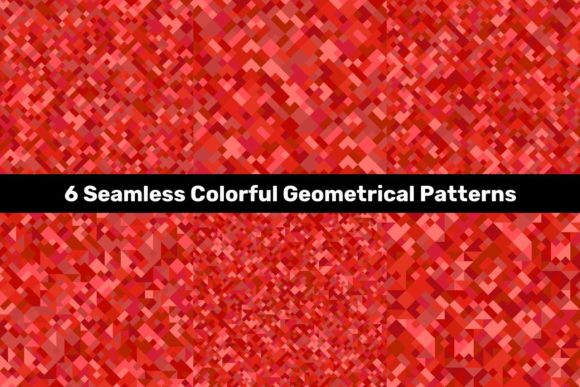
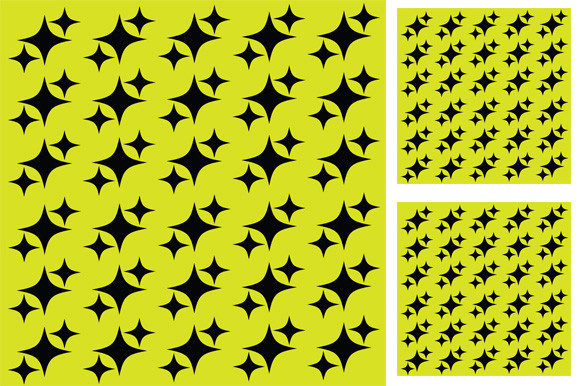
Simple Seamless Patterns refer to repeating design elements that can be tiled without visible seams or breaks. This makes them ideal for backgrounds, textiles, packaging, and more. The key advantage of these patterns lies in their versatility and ease of use. Whether you're creating a logo, designing a website, or developing a product line, simple seamless patterns provide a consistent and professional look.
The availability of high-resolution files such as 4000x4000 JPG and EPS 10 ensures that these patterns can be used across various platforms and mediums. This level of detail allows for crisp, clear outputs whether printed on fabric or displayed digitally.
Strategic Use of Simple Seamless Patterns
For professionals in creative fields, understanding how to leverage Simple Seamless Patterns can significantly enhance productivity. By using pre-designed patterns, you can save time and reduce the need for repetitive manual work. This allows more focus on higher-level decision-making and creative direction.
Entrepreneurs and small business owners can benefit from incorporating these patterns into branding and marketing efforts. A cohesive visual identity is crucial for building trust and recognition. Simple Seamless Patterns help maintain consistency across different touchpoints, reinforcing brand presence in a visually appealing way.
When to Use Simple Seamless Patterns
Simple Seamless Patterns are most effective when used with a clear purpose in mind. They are particularly useful in scenarios where repetition and continuity are desired. For example, in fashion design, these patterns can be applied to fabrics, accessories, and even packaging, ensuring a unified aesthetic across all products.
In digital marketing, they can serve as background elements for websites, social media posts, and email campaigns. Their adaptability makes them suitable for both static and dynamic content, allowing for flexible and scalable design solutions.
How to Approach Simple Seamless Patterns
Before integrating Simple Seamless Patterns into your projects, it's important to consider the specific goals and context. Ask yourself: What message do I want to convey? What audience am I targeting? How will this pattern support my overall design strategy?
A thoughtful approach involves selecting patterns that align with your brand’s identity and the emotions you wish to evoke. For instance, a minimalist pattern may suit a modern, tech-oriented brand, while a more intricate design might resonate with a luxury or artisanal audience.
Additionally, testing different patterns in various contexts can help determine which ones perform best. This iterative process ensures that the chosen patterns enhance rather than detract from the intended message and user experience.
Key Considerations Before Relying on Simple Seamless Patterns
While Simple Seamless Patterns offer many benefits, they should not be used indiscriminately. Without a clear strategy, they risk becoming generic or losing their impact. It's important to avoid relying solely on pre-made designs without considering how they fit into your broader creative or business objectives.
One potential risk is overuse. If every element of a project relies on the same pattern, it can lead to a lack of visual diversity and diminish the uniqueness of your work. To prevent this, balance the use of patterns with other design elements such as typography, color, and imagery.
Another consideration is licensing and copyright. Ensure that the patterns you use are properly licensed for your intended purpose. This helps avoid legal issues and maintains the integrity of your work.
Practical Examples of Simple Seamless Pattern Use
Consider a small fashion brand launching a new line of apparel. By using Simple Seamless Patterns for fabric prints, the brand can create a cohesive collection that reflects its identity. These patterns can also be used in marketing materials, such as social media banners and email newsletters, to maintain a consistent look across all channels.
For a digital marketer, Simple Seamless Patterns can be used to create engaging visual content for blogs, landing pages, and advertisements. A well-chosen pattern can add depth and interest without overwhelming the viewer, making it an effective tool for capturing attention and conveying information.
Planning Tips for Effective Pattern Integration
Start by defining your design goals and identifying the role that patterns will play in achieving them. This could involve setting specific objectives, such as enhancing brand visibility or improving user engagement.
Next, research and select patterns that align with your goals. Look for designs that reflect your brand’s personality and values. Experiment with different styles and compositions to find what works best for your audience.
Finally, integrate the patterns into your workflow in a way that supports your creative process. This might involve using design software that allows for easy manipulation and customization, or collaborating with other team members to ensure consistency across all projects.
Strategic Observations and Decision-Making Guidance
Simple Seamless Patterns are not a one-size-fits-all solution. Their effectiveness depends on how they are used and the context in which they appear. Making informed decisions about their application requires a deep understanding of your audience, your brand, and your goals.
Consider the long-term value of these patterns. A well-chosen pattern can become a signature element of your brand, contributing to its recognition and loyalty over time. This strategic investment can pay off in terms of customer retention and market differentiation.
Ultimately, the goal is to use Simple Seamless Patterns intentionally, ensuring that they serve a clear purpose and contribute to your overall success. By approaching them with care and creativity, you can unlock their full potential and achieve better results in your work.