Thai Traditional Art Patterns on Red: A Timeless Choice for Designers and Artists
Thai traditional art patterns on red are more than just decorative elements—they are a celebration of cultural heritage, artistic expression, and visual storytelling. These intricate designs, often seen in textiles, wall art, and digital illustrations, have become a staple in modern design due to their vibrant colors, symbolic meanings, and versatility across various applications.
The use of red in Thai art is deeply rooted in tradition. It symbolizes good fortune, vitality, and spiritual energy. When combined with elaborate patterns, it creates a striking visual impact that can elevate any project, from home decor to fashion and graphic design.
Key Characteristics of Thai Traditional Art Patterns on Red
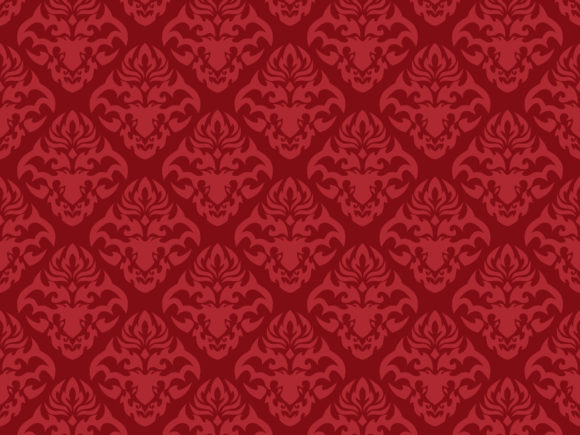
Thai traditional art patterns on red are known for their complexity and symbolism. Each pattern tells a story, often inspired by nature, mythology, or religious themes. Common motifs include floral arrangements, geometric shapes, and stylized animals such as the Garuda, a mythical bird central to Thai culture.
These patterns are not only visually appealing but also carry deep cultural significance. For example, the use of lotus flowers in red patterns represents purity and enlightenment, while peacock feathers may symbolize beauty and grace. Understanding these meanings can help designers incorporate them more thoughtfully into their work.
Another defining feature of Thai traditional art patterns on red is the attention to detail. The designs are often hand-drawn or digitally rendered with precision, ensuring that every line and curve contributes to the overall harmony of the composition.
Applications of Thai Traditional Art Patterns on Red
The versatility of Thai traditional art patterns on red makes them ideal for a wide range of applications. Whether you're creating a background for a website, designing a tablecloth, or developing a vector illustration, these patterns offer endless possibilities.
In interior design, red-based patterns are commonly used for wall coverings, carpets, and fabric. Their bold colors and intricate details add a sense of warmth and sophistication to any space. For instance, a red-and-gold patterned wallpaper can transform a living room into a space that feels both elegant and culturally rich.
In the fashion industry, Thai traditional art patterns on red are popular for clothing, especially in garments like sarongs, blouses, and skirts. These patterns can be printed on fabrics using techniques such as batik or screen printing, allowing for both traditional and modern interpretations.
For digital artists and illustrators, seamless patterns based on Thai traditional art offer a convenient way to create backgrounds, textures, and repeating designs. These patterns are often available in high-resolution formats such as JPG 8000x8000 pixels or EPS files, making them suitable for use in Adobe Illustrator or Affinity Designer.
Why Choose Thai Traditional Art Patterns on Red?
There are several reasons why designers and artists choose Thai traditional art patterns on red. One of the main advantages is their ability to add a unique aesthetic to any project. Unlike generic patterns, these designs carry a sense of authenticity and cultural depth that can set your work apart.
Additionally, the color red is highly versatile. It can serve as a bold statement color or be balanced with neutral tones to create a more subdued look. This flexibility makes Thai traditional art patterns on red suitable for both contemporary and traditional settings.
Another benefit is the availability of high-quality resources. Many designers now have access to downloadable ZIP files containing JPG and EPS formats, allowing for easy integration into different design workflows. These files are often optimized for clarity and scalability, ensuring that the patterns look sharp at any size.
Practical Considerations for Using Thai Traditional Art Patterns on Red
When working with Thai traditional art patterns on red, it's important to consider factors such as resolution, file format, and licensing. High-resolution images like JPG 8000x8000 pixels are ideal for large-scale prints, while EPS files provide vector-based flexibility for digital editing.
Designers should also be mindful of copyright and usage rights. While many patterns are freely available for personal or commercial use, it's always best to verify the terms of use before incorporating them into a project. Some patterns may require attribution or have restrictions on modification.
For those looking to integrate these patterns into their workflow, experimenting with different applications can lead to creative breakthroughs. Whether it's using them as a background for a website, a texture for a digital illustration, or a motif for a fabric design, the possibilities are vast.
Examples of Thai Traditional Art Patterns on Red in Modern Projects
One common application of Thai traditional art patterns on red is in the creation of custom wallpapers. These patterns can be scaled and adapted to fit different spaces, offering a personalized touch that reflects cultural influences.
In the realm of fashion, designers often use these patterns to create limited-edition collections that blend traditional craftsmanship with modern aesthetics. For example, a red and gold patterned dress might feature elements inspired by Thai temple carvings, resulting in a piece that is both beautiful and meaningful.
For digital artists, Thai traditional art patterns on red can serve as a source of inspiration for vector illustrations. By simplifying or reinterpreting the original designs, artists can create new works that maintain the essence of the traditional patterns while fitting into contemporary styles.
Final Thoughts on Thai Traditional Art Patterns on Red
Thai traditional art patterns on red are more than just decorative elements—they are a bridge between past and present, tradition and innovation. Their rich history, cultural significance, and visual appeal make them a valuable resource for designers, artists, and creatives across various industries.
Whether you're looking to enhance your next project with a touch of Thai elegance or explore the world of traditional art, these patterns offer a wealth of opportunities. With the right tools and understanding, they can become an essential part of your creative process.