African Seamless Patterns
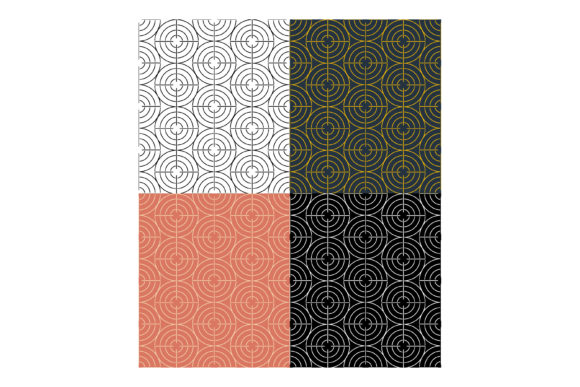
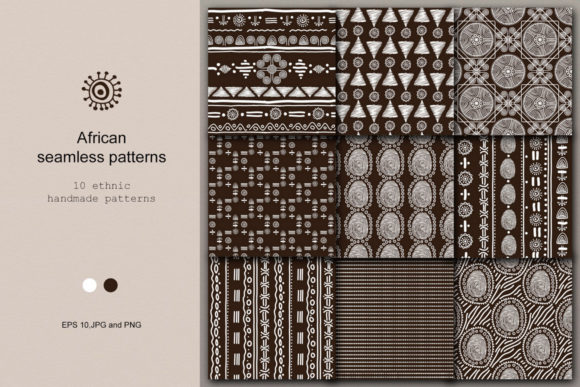
African seamless patterns offer a unique blend of cultural heritage and modern design versatility. These intricate motifs, rooted in centuries-old traditions, have evolved into powerful visual tools for creative professionals across various industries. From textile designers to packaging specialists, the appeal of these patterns lies in their ability to merge traditional symbolism with contemporary applications.
The significance of African ornamentation extends beyond aesthetics. The white pattern, often seen in traditional body paint, symbolizes spiritual unity with the gods. Historically, it was believed that applying such designs could ward off evil spirits and create a bridge between the physical and spiritual worlds. This deep cultural meaning adds layers of storytelling to any project that incorporates these patterns.
Why African Seamless Patterns Matter
For designers, artists, and entrepreneurs, African seamless patterns represent more than just decorative elements. They serve as a source of inspiration, offering a rich visual language that can elevate any creative endeavor. Whether you're working on an ethnic poster or designing a new line of cosmetics, these patterns provide a distinctive aesthetic that stands out in a crowded market.
The practical benefits of using African seamless patterns are numerous. Their repeating nature makes them ideal for textile design, where consistency and continuity are essential. For packaging designers, these patterns can add a cultural touch that resonates with consumers seeking authenticity and uniqueness. In home decor, they bring a sense of warmth and tradition into modern spaces.
Practical Applications of African Seamless Patterns
One of the most appealing aspects of African seamless patterns is their adaptability. They can be used in a wide range of projects, from digital art to print media. For example, a graphic designer creating a marketing campaign for a natural skincare brand might use these patterns to evoke a sense of heritage and purity. Similarly, a fashion designer could incorporate them into fabric prints to create a bold, culturally inspired collection.
In the realm of home decor, African seamless patterns can transform ordinary spaces into vibrant, meaningful environments. A wall mural featuring these motifs can become a focal point in a living room or bedroom, adding both visual interest and cultural depth. For interior designers, this offers a way to introduce global influences without overwhelming the space.
Technical Details and Flexibility
The collection includes 10 high-quality patterns available in multiple formats to suit different needs. Each set comes in PNG format with transparent backgrounds at 300 DPI, ensuring clarity and versatility for digital projects. For those requiring higher resolution, the JPG files are available at 4000 px x 4000 px, making them suitable for large-scale print applications.
For designers who prefer vector-based work, the EPS files are compatible with Adobe Illustrator 10 and later versions. This format allows for easy color adjustments and resizing, ensuring that the patterns can be tailored to fit any project requirements. Whether you're working on a small logo or a massive billboard, the flexibility of these files ensures consistent quality and performance.
Who Can Benefit from African Seamless Patterns
Professionals in creative fields will find African seamless patterns particularly valuable. Graphic designers, illustrators, and web developers can use them to enhance visual storytelling and add cultural context to their work. Marketers and brand strategists may find them useful in crafting campaigns that resonate with diverse audiences.
Entrepreneurs launching new products can also benefit from these patterns. A small business owner creating handmade jewelry might use them as a motif for packaging or branding materials. Educators and students studying design or cultural studies can explore the historical and symbolic meanings behind these patterns, gaining a deeper appreciation for African artistry.
Considerations and Best Practices
While African seamless patterns offer many advantages, it's important to approach their use thoughtfully. Understanding the cultural significance of each motif ensures respectful and meaningful integration into your work. This is especially important when targeting global audiences or working on projects with cultural sensitivity requirements.
When selecting patterns, consider how they align with your project's goals. For instance, a minimalist design might benefit from simpler motifs, while a bold statement piece could incorporate more complex, detailed patterns. Testing different options in various contexts can help determine which designs best meet your needs.
For those new to using these patterns, starting with a few key pieces can help build confidence. Experimenting with color variations and layout options can reveal new possibilities and inspire fresh creative directions. As you become more familiar with the collection, you'll likely discover new ways to incorporate these patterns into your work.