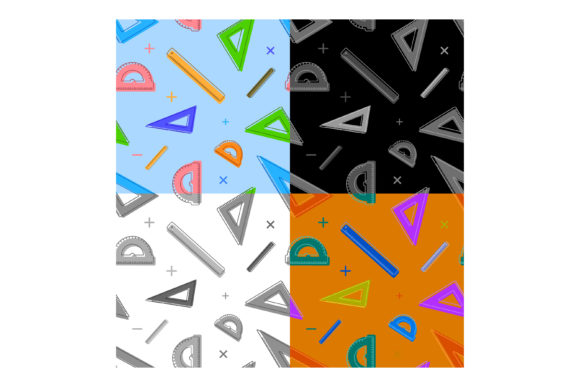
Patterns with Ruler, Protractor, Triangle: Creative and Practical Uses for School Measuring Instruments
Patterns with Ruler, Protractor, Triangle aren’t just tools for students—they’re essential for anyone who needs precision, creativity, or structure in their work. Whether you're a teacher, artist, designer, or hobbyist, these school measuring instruments can help you bring clarity and order to your projects. From geometry lessons to intricate artwork, the right tools make all the difference.
Understanding Patterns with Ruler, Protractor, Triangle
Patterns with Ruler, Protractor, Triangle refer to the use of standard school measuring tools to create consistent, repeatable designs. These tools—rulers for straight lines, protractors for angles, and triangles for precise shapes—are often used together to produce accurate geometric patterns. When combined with digital design software or traditional drawing methods, they form the foundation of many creative and technical processes.
These tools are especially useful when working on vector-based designs, where accuracy is key. Whether you're sketching a blueprint, designing a logo, or teaching geometry, having a clear understanding of how to use these instruments effectively can save time and improve results.
Real-World Applications of Patterns with Ruler, Protractor, Triangle
There are countless situations where Patterns with Ruler, Protractor, Triangle come into play. Here are some practical examples:
- Education: Teachers use these tools to demonstrate geometric principles, helping students grasp concepts like symmetry, angles, and proportions. A well-drawn pattern can make abstract ideas more tangible and easier to understand.
- Art and Design: Artists and designers rely on rulers and protractors to create balanced compositions. Whether it's a tessellation, a mandala, or a technical illustration, these tools ensure that every line and angle is intentional.
- Engineering and Architecture: Professionals in these fields need precise measurements to translate ideas into blueprints. Patterns with Ruler, Protractor, Triangle help maintain consistency across large-scale projects.
- DIY and Crafts: Hobbyists use these tools to build models, craft origami, or create custom patterns for sewing and woodworking. A simple ruler can turn a basic idea into a structured, professional-looking result.
Each of these scenarios shows how versatile and valuable these tools can be. The key is knowing how to apply them in different contexts.
How Different Users Benefit from Patterns with Ruler, Protractor, Triangle
Not everyone uses these tools in the same way. Here’s how various users might benefit:
- Teachers: By incorporating Patterns with Ruler, Protractor, Triangle into lesson plans, educators can engage students with hands-on learning. A lesson on constructing polygons becomes more interactive when students can measure and draw each angle themselves.
- Entrepreneurs: Business owners who design products or packaging can use these tools to ensure their visuals are aligned and proportional. A well-crafted logo or label can make a big difference in brand perception.
- Freelancers: Graphic designers and illustrators often use rulers and protractors to create clean, professional layouts. Whether working on a website, poster, or brochure, precision matters.
- Hobbyists: For those who enjoy crafts or DIY projects, these tools add a level of detail that elevates their work. A handmade greeting card or a custom quilt can look much more polished with careful measurements.
The versatility of these tools means that no matter your role, there’s a way to integrate them into your workflow.
Considerations Before Using Patterns with Ruler, Protractor, Triangle
Before diving into any project involving Patterns with Ruler, Protractor, Triangle, it’s important to think about a few factors:
- Project Scope: Determine whether the task requires high precision or if a rough sketch will suffice. Some projects may only need a ruler, while others might require a protractor and triangle for exact angles.
- Tool Quality: Invest in durable, accurate tools. A cheap ruler that bends or a protractor with worn markings can lead to errors that affect the final outcome.
- Learning Curve: If you're new to using these tools, take time to practice. Understanding how to measure angles or align lines properly can prevent frustration later on.
- Software Integration: If you're working digitally, consider how these tools complement your design software. Many programs offer virtual rulers and protractors, but physical tools can still be useful for reference.
By addressing these considerations upfront, you can avoid common pitfalls and get the most out of your tools.
Connecting Features to Real Outcomes
What makes Patterns with Ruler, Protractor, Triangle so effective isn’t just their function—it’s how they enable specific results. For example:
- A teacher using a protractor to show students how to measure angles helps them understand geometry in a visual, hands-on way.
- An artist using a triangle to create symmetrical shapes can produce intricate patterns that would be difficult to achieve freehand.
- A designer using a ruler to align text and images ensures that their layout looks clean and professional.
Each of these outcomes comes from a clear understanding of how to use the tools effectively. It’s not just about having the right instruments—it’s about knowing how to apply them to solve real problems.
Final Thoughts on Patterns with Ruler, Protractor, Triangle
Patterns with Ruler, Protractor, Triangle are more than just school supplies. They’re practical tools that can enhance creativity, improve accuracy, and support learning in a variety of settings. Whether you're an educator, a designer, or a hobbyist, these instruments offer value that extends far beyond the classroom.
By recognizing their potential and using them thoughtfully, you can unlock new ways to approach your work. The next time you need to create a pattern, measure an angle, or draw a straight line, remember that these tools are here to help. With the right mindset and application, they can transform the way you work and create.