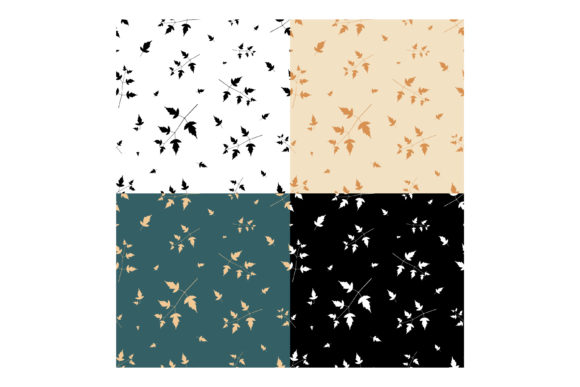
Seamless Patterns with Rowan Tree Leaves for Creative Design
Seamless patterns featuring rowan tree leaves offer a timeless and elegant way to add natural beauty to fabric, artwork, and decorative elements. These patterns are ideal for textile design, packaging, stationery, and more. Whether you're a designer, artist, or small business owner, understanding how to choose and use these patterns effectively can make a significant difference in your projects.
What Are Seamless Patterns with Rowan Tree Leaves?
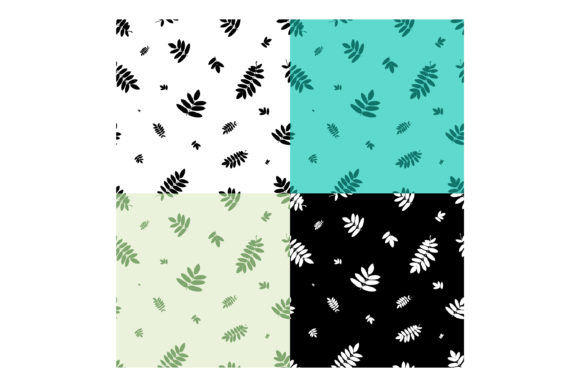
Seamless patterns are designs that repeat without visible seams, creating a continuous visual effect. When combined with the intricate shapes of rowan tree leaves, these patterns become a powerful design element. The silhouettes of rowan leaves on branches provide a clean, organic look that can be adapted for various applications.
These patterns are often available as vector files, making them easy to scale and customize. They are popular among creators looking to incorporate nature-inspired motifs into their work without the hassle of drawing from scratch.
Common Mistakes When Working With Seamless Patterns
Many people overlook key details when selecting or using seamless patterns, which can lead to unsatisfactory results. One common mistake is not checking the pattern's repeat structure. A poorly designed repeat can create visible seams or awkward spacing, especially when printed on fabric or large surfaces.
Another issue is ignoring the resolution and file format. If you're planning to print the pattern, high-resolution vector files are essential. Raster images may appear pixelated when scaled up, leading to a loss of quality.
How to Avoid Common Pitfalls
To avoid these issues, always verify the pattern’s repeat and ensure it aligns with your project needs. For example, if you're designing a dress, a seamless pattern should flow smoothly across the garment without distortion. Testing the pattern at different sizes before finalizing your design can save time and resources.
When downloading or purchasing a pattern, check the file type. Vector formats like SVG or EPS are preferable for scalability, while PNG or JPEG may limit your options. Always request samples or previews if possible.
Misunderstandings About Using Rowan Leaf Patterns
Some designers assume that all seamless patterns are interchangeable. However, the style, color, and complexity of a rowan leaf pattern can greatly affect its suitability for different projects. A bold, black-and-white silhouette might work well for a modern logo, but could clash with a soft, pastel background in a home decor application.
Another misunderstanding is the belief that free patterns are always sufficient. While some free resources are high-quality, they may lack customization options or come with restrictive licensing terms. This can limit your ability to use the pattern in commercial projects or modify it to suit your needs.
Realistic Examples and Better Approaches
Imagine you’re creating a line of eco-friendly tote bags. Using a seamless rowan leaf pattern could enhance the natural theme, but choosing a low-quality or improperly formatted design might result in a dull, unprofessional look. Instead, opt for a high-resolution vector pattern that allows you to adjust colors and scale easily.
If you’re working on a branding project, consider how the pattern will appear in different contexts. A pattern that looks great on a website may not translate well to a printed brochure. Test it in multiple formats to ensure consistency and clarity.
Key Considerations Before Making a Decision
Before finalizing your choice of seamless patterns with rowan tree leaves, ask yourself a few important questions. What is the intended use of the pattern? Will it be used digitally, printed, or both? What is the size of the area it will cover? These factors will influence the type of pattern you need.
Also, think about the target audience. A pattern that appeals to a minimalist audience may differ from one that targets a more traditional or rustic market. Understanding your audience helps you select the right style and level of detail.
Practical Tips for Effective Use
One practical tip is to experiment with different color schemes. A black-and-white rowan leaf pattern can be versatile, but adding subtle shades can enhance the visual appeal. Always keep the overall design balanced—too much detail can overwhelm the space, while too little may seem empty or uninteresting.
Another tip is to combine the pattern with other design elements. For instance, pairing a rowan leaf pattern with geometric shapes or text can create a unique and professional look. Just make sure the elements complement each other rather than compete.
Conclusion: Make Informed Choices for Better Results
Seamless patterns with rowan tree leaves offer a beautiful and functional design solution. By understanding common mistakes, checking key details, and making informed decisions, you can maximize the value of these patterns in your creative work. Whether you're printing fabric, designing packaging, or creating digital content, the right pattern can elevate your project and leave a lasting impression.