Simple Line Art Patterns for Versatile Design Applications
Simple Line Art Patterns offer a clean, adaptable visual solution that can enhance a wide range of design projects. These patterns are ideal for professionals and creatives who need high-quality, reusable assets that fit seamlessly into their workflows. Whether you're working on print materials, digital graphics, or editorial layouts, these patterns provide a foundation that supports both efficiency and creativity.
Understanding Simple Line Art Patterns
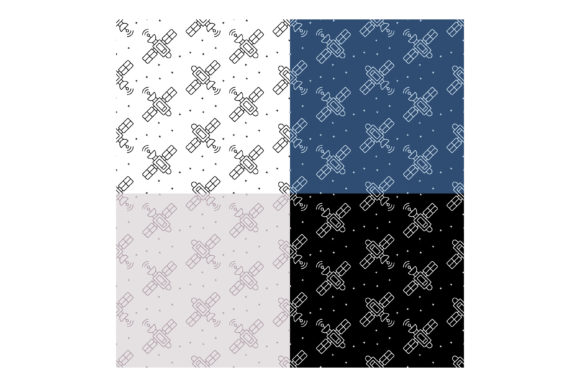
Simple Line Art Patterns consist of basic geometric or organic shapes arranged in a repetitive, structured manner. Unlike complex illustrations, they rely on minimal detail to convey form and rhythm. This simplicity makes them highly versatile, as they can be scaled, colored, or modified without losing clarity. They are often used as background elements, decorative accents, or structural components in design compositions.
The appeal of these patterns lies in their ability to add visual interest without overwhelming the viewer. They work well in both minimalist and intricate designs, offering a balance between aesthetics and functionality. Their adaptability allows them to complement other design elements, making them an essential tool in a designer’s toolkit.
Where Simple Line Art Patterns Fit in the Design Process
Simple Line Art Patterns can be integrated at multiple stages of a design project. Before starting a new task, they can serve as inspiration or a base for brainstorming. During the execution phase, they help maintain consistency across different design elements. After the project is complete, they can be repurposed for future work, saving time and effort.
For example, when creating a website banner, a designer might use a line art pattern as a background to add depth without distracting from the main content. In print design, these patterns can be used for book covers, packaging, or promotional materials, providing a cohesive look that aligns with brand identity.
Using Simple Line Art Patterns in Different Workflows
Designers and creators can leverage Simple Line Art Patterns in various ways depending on their specific needs. For instance, a graphic designer working on a series of social media posts might use a pattern as a consistent backdrop, ensuring visual harmony across all content. A publisher preparing a magazine layout could incorporate these patterns as dividers or section markers, enhancing readability and flow.
Entrepreneurs and small business owners can also benefit from these patterns. When designing marketing materials such as brochures or email newsletters, a simple line art pattern can elevate the overall aesthetic while maintaining professionalism. The high-resolution format ensures that the patterns remain sharp and clear, regardless of the medium or scale.
Compatibility and Usability Across Platforms
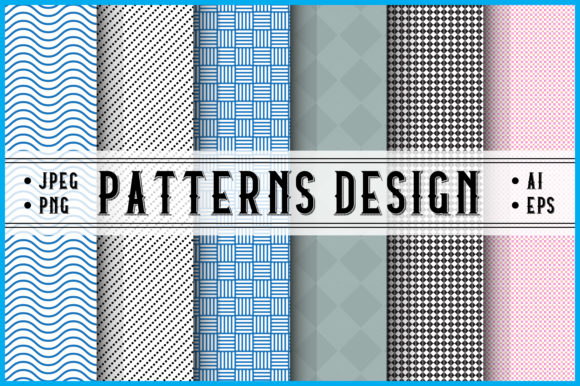
Simple Line Art Patterns are designed to work with a variety of design software and platforms. Their support for common file formats like JPEG, PNG, AI, and EPS ensures compatibility with most tools used by designers. This flexibility allows users to import, edit, and apply the patterns in different environments without technical barriers.
When using these patterns in vector-based applications like Adobe Illustrator, users can easily adjust the scale, color, or spacing to suit their needs. In raster-based programs such as Photoshop, the high DPI resolution guarantees that the patterns retain quality even when resized. This adaptability makes them a reliable asset for both digital and print workflows.
Practical Tips for Implementation
To get the most out of Simple Line Art Patterns, consider the following tips:
- Plan ahead: Determine how and where the pattern will be used before selecting it. This helps ensure that it complements the overall design rather than conflicting with it.
- Test at different scales: Preview the pattern in various sizes to see how it looks in different contexts. This step can prevent unexpected issues during final production.
- Combine with other elements: Use the pattern as a supporting element rather than the focal point. Pair it with text, images, or solid colors to create a balanced composition.
- Organize your files: Keep the pattern files in a dedicated folder for easy access. This practice saves time and reduces the risk of misplacing important assets.
- Update regularly: As design trends evolve, revisit your pattern library to ensure it remains relevant and effective for current projects.
Quality Control and Long-Term Use
Maintaining the quality of Simple Line Art Patterns is essential for long-term use. Ensure that the files are saved in high-resolution formats and that the line work is crisp and precise. Regularly review the patterns to confirm that they meet your standards and that they continue to align with your design goals.
Over time, these patterns can become part of a designer’s go-to resources, reducing the need to create new elements from scratch. By investing in high-quality patterns, users can streamline their workflow and focus more on the creative aspects of their projects.
Integrating Simple Line Art Patterns Into Your Routine
Whether you're a seasoned designer or a beginner, incorporating Simple Line Art Patterns into your routine can improve efficiency and consistency. Start by identifying areas where these patterns can add value, such as backgrounds, borders, or texture overlays. Experiment with different styles and placements to find what works best for your projects.
As you become more familiar with these patterns, you'll likely discover new ways to use them. Some may prefer to keep a collection of patterns for quick access, while others may integrate them into templates or style guides. The key is to use them in a way that enhances your workflow without complicating it.
By understanding the role of Simple Line Art Patterns in design processes, users can make informed decisions about their use. These patterns are not just aesthetic tools—they are practical solutions that support creativity, efficiency, and consistency in a wide range of applications.